
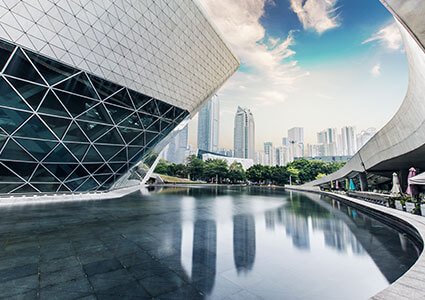
As an architect, urban planner, designer, or manufacturer of AEC building materials, the responsibility for maintaining our environment is bestowed upon you. As an architect specifically, you’re expected to consider how each decision you make impacts the environment not only physically but also socially.
So what’s the criteria for better cities?
1) Better Knowledge of Building Materials
In the wake of the Grenfield tragedy, we’ve learned that taking responsibility for the materials you specify for your project is severely important. Luckily, with the aid of CADdetails, you will not only learn what the building products are made of from the manufacturers listed on our site, but also have the chance to ask more questions regarding the products if you need to meet specific requirements.
2) Conscious of Energy & Carbon Uses

With LEED certifications, architects aim to reduce carbon pollution and make buildings more environmentally friendly. There are rigid guidelines to follow in order to become LEED certified, however, approximately 111,000 projects have managed to become certified. You can check out 10 of the most notable buildings that achieved a LEED certification
3) Building with Resilience

4) Understanding Health and Built Environments

5) Diversity, Equity & Inclusion
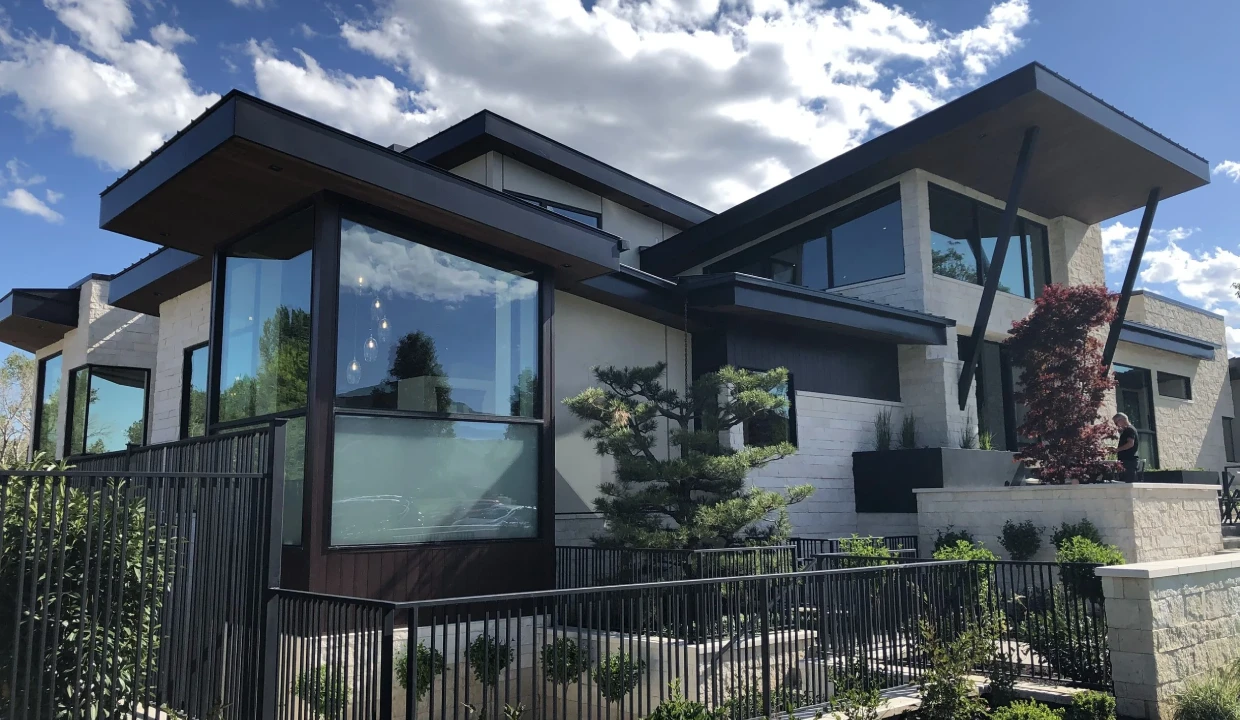
Regardless of the field you work in, you should be following an inclusive decision approach that considers factors that will impact or influence others’ comfort levels. For example, take a moment to consider how the placement of your bike rack may be suitable for individuals wanting to use the bikes, but a hindrance to those wanting to walk on the sidewalk uninterrupted. The main takeaway on inclusion, is that you need to consider each element of design prior to catering to one audience. It’s the only way to safely ensure that groups are not being alienated by your design.