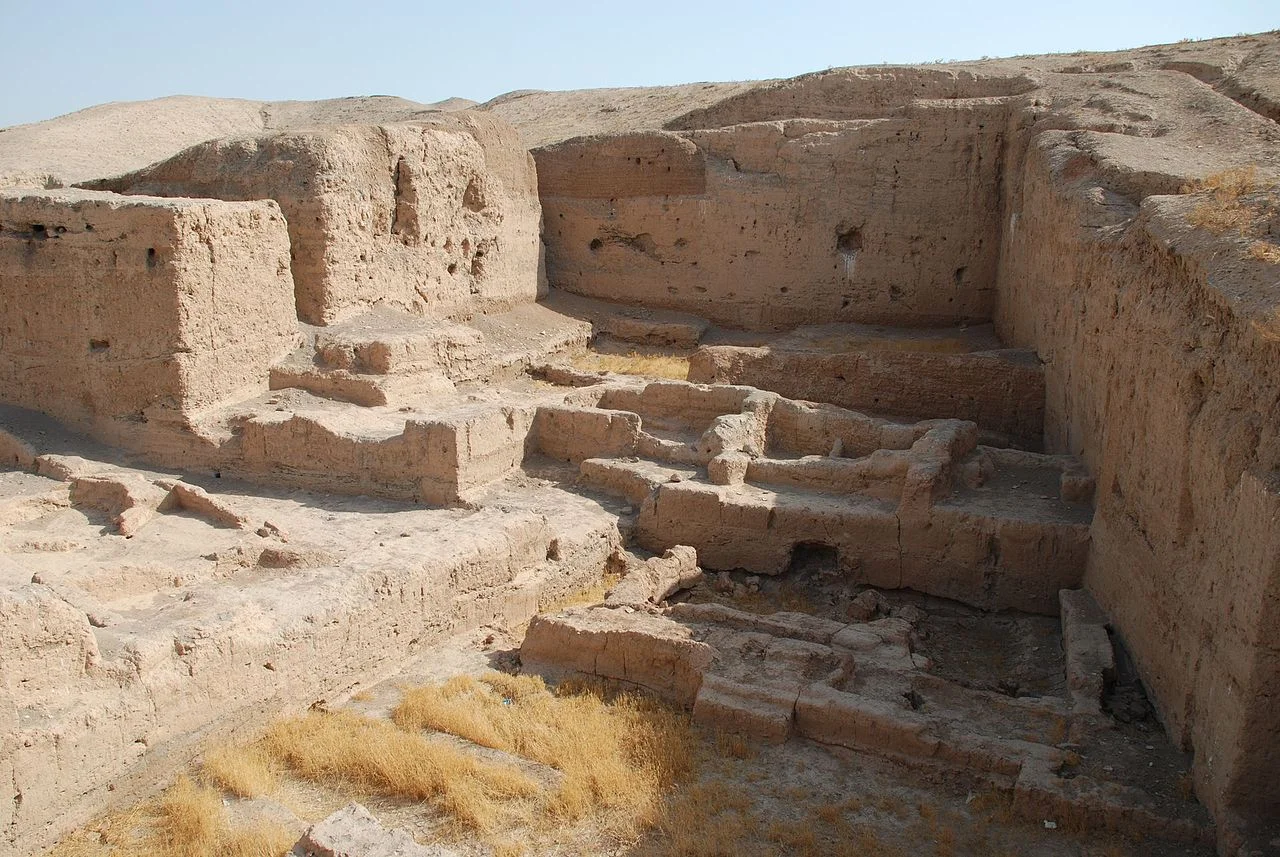

Spanning from the 10th millennium BC to the 6th century BC, the architecture of Mesopotamia encompasses several distinct cultures and primarily existed in the region of the Tigris-Euphrates river system (also known as Mesopotamia). The architectural styling consisted of Sumerian masonry which meant that the structures were typically mortarless and used rounded bricks for the design.
There are three main factors that contribute to the architectural styling of the period:
1) The Sociopolitical organization of the Sumerian city-states and of the kingdoms and empires that succeeded them.
2) The role of organized religion in Mesopotamian affairs of state.
3) Influences from the natural environment. The architecture of the period was predominately constructed of brick and occasionally stone by the Assyrians.
Below, we’ll take a look at some of the distinctive architecture of Mesopotamia.
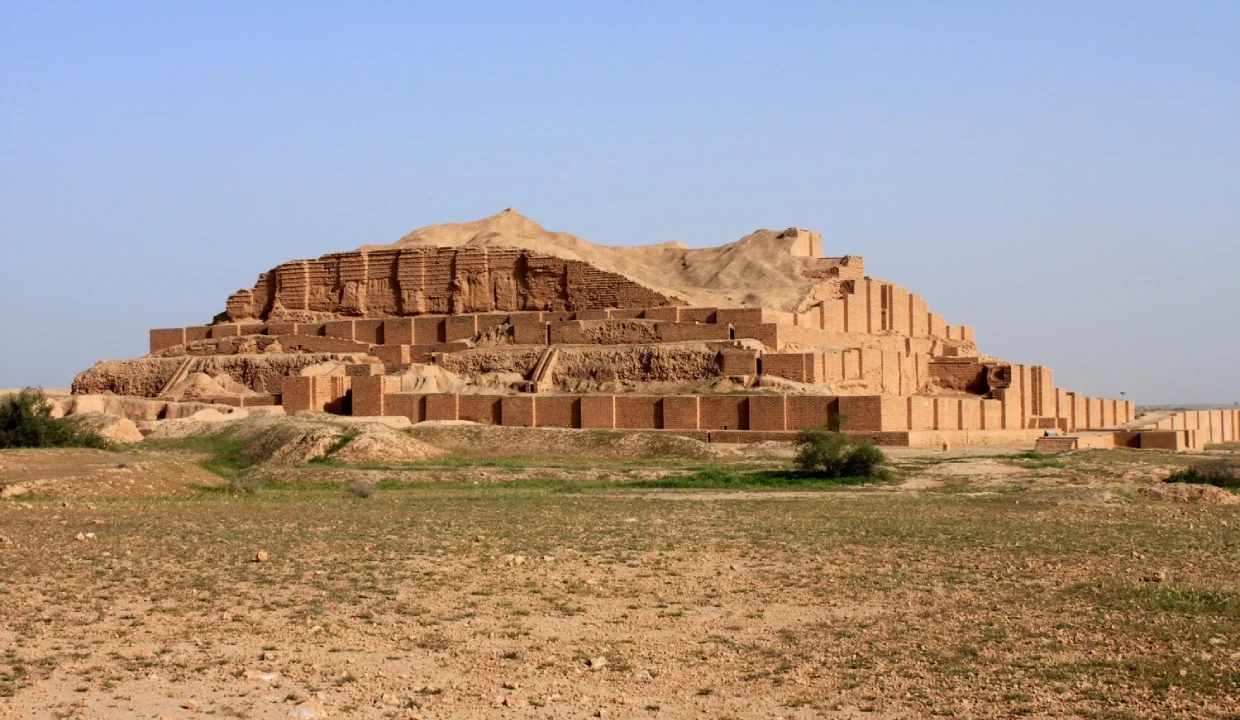
Chogha Zanbil Ziggurat
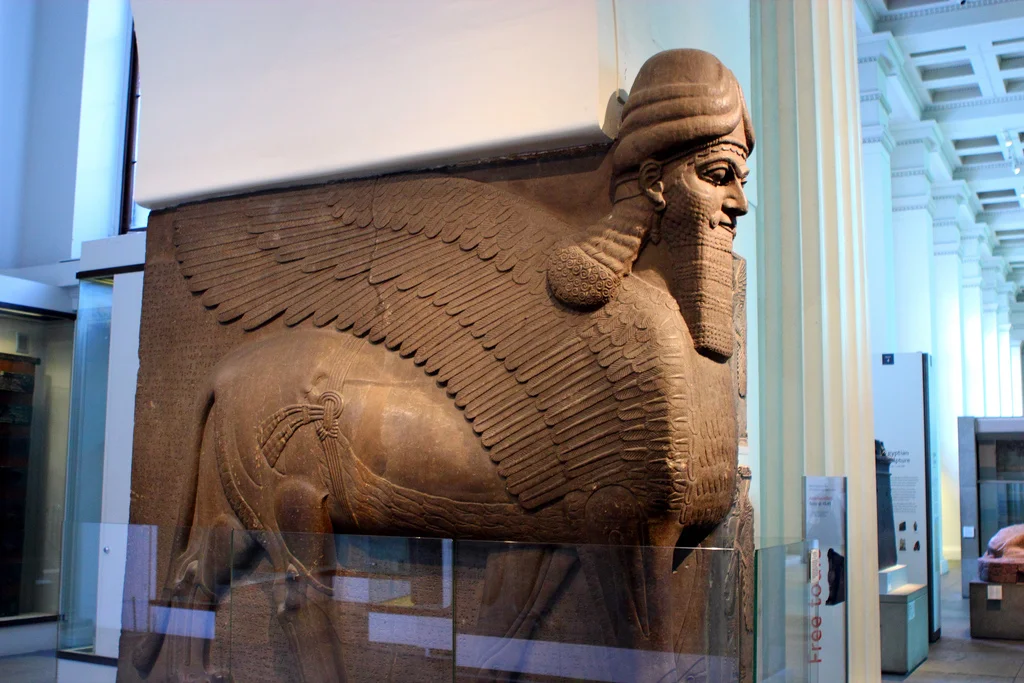
Lamassu
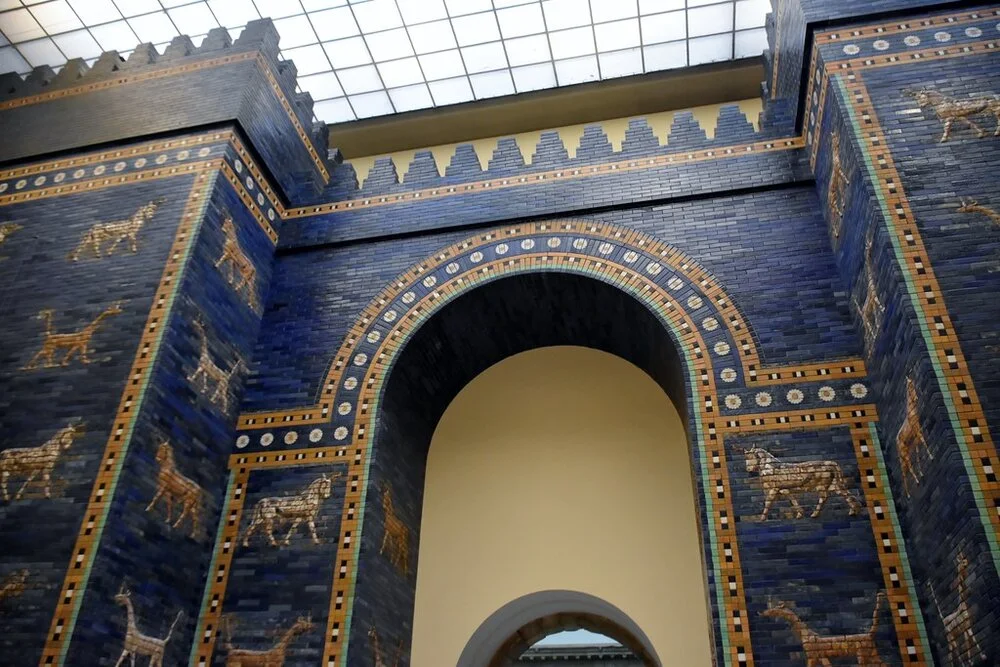
Ishtar Gate
Ziggarut of Ur
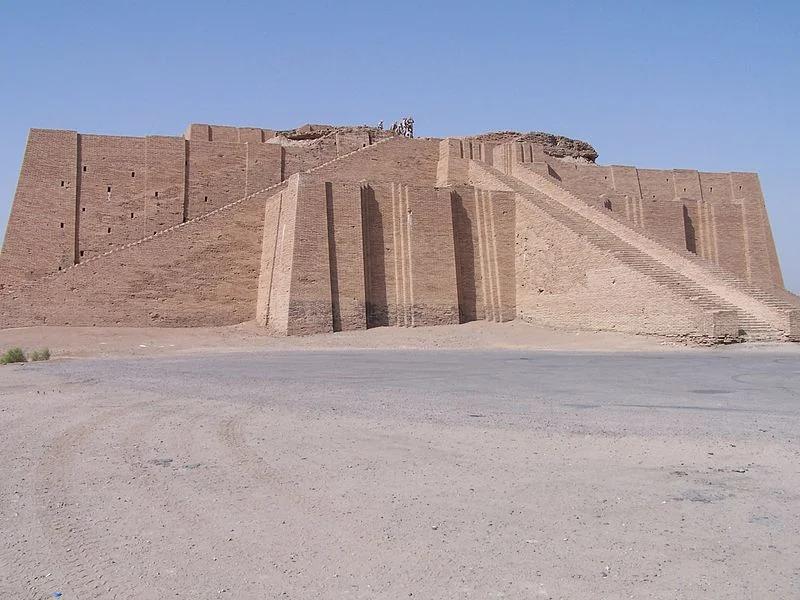
The Royal Tomb of Ur
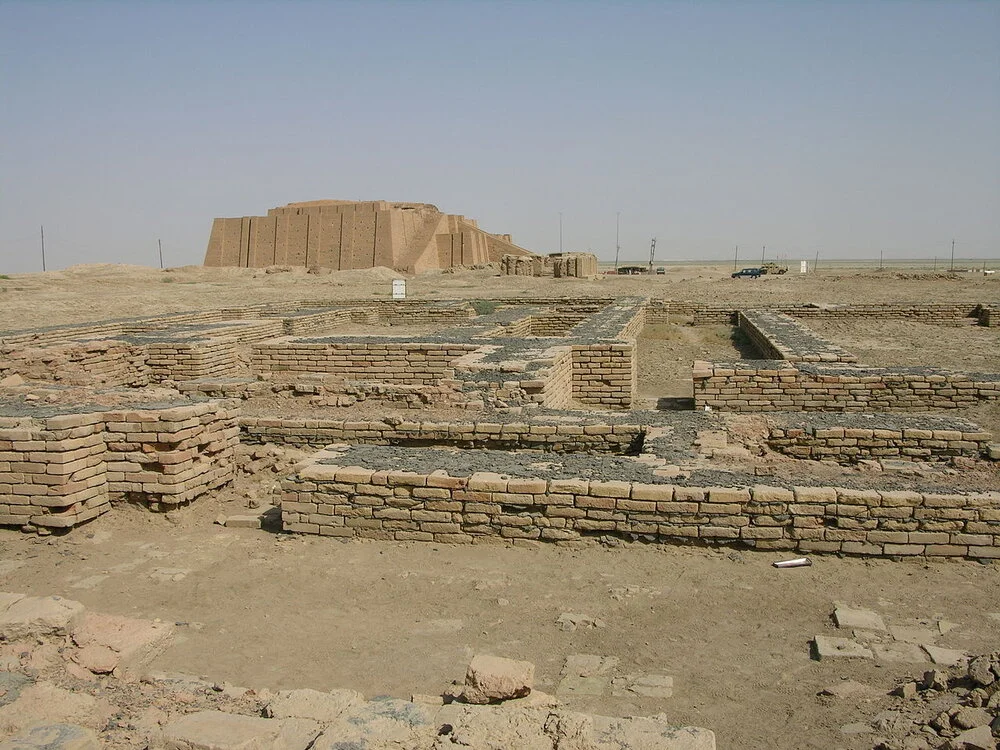
Tell Brak